arizona state university
DREAMS Laboratory
The Distributed Robotic Exploration and Mapping Systems Laboratory builds autonomous robotic systems and cyber-physical twins for mapping, sampling, and analysis across terrestrial, aquatic, and extraterrestrial environments.
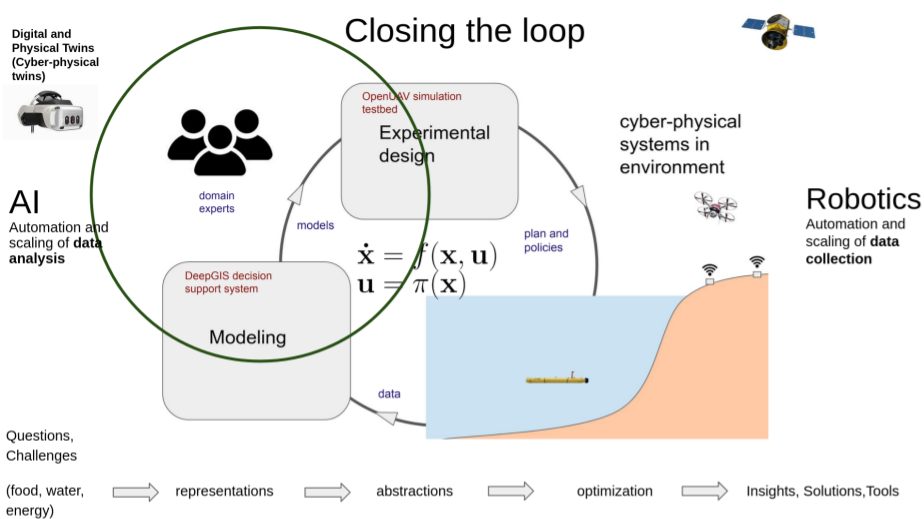
We build systems that close the loop of scientific observation: robots that decide where to look, digital twins where thousands of candidate measurements can be rehearsed cheaply, and field platforms that spend scarce physical actions only on the observations that matter. The question underneath all of it: how does a perceiving system change what it can perceive?
The lab is affiliated with the School of Earth and Space Exploration, the Global Futures Laboratory, and the Center for Global Discovery and Conservation Science, and is located in ASU's Walton Center for Planetary Health. Everyone interested in this research is welcome.
Approach
Why environmental science first
Reefs, fault scarps, drylands, and planetary surfaces are where autonomous science can be developed responsibly. When a twin is wrong here, the cost is a bad map — a survey to repeat, a sample to retake — not a disaster. That makes these domains the proving ground: demanding enough to need real autonomy, forgiving enough to learn from failure in the open.
On autonomous science and AI
The lab's long-term aim is autonomous science: systems that do not only choose the next measurement, but propose the questions worth measuring. We pursue it in stages, and in the open. Today our systems decide where to look inside questions people pose; each step toward choosing the questions is earned by calibration against the physical world, in domains where being wrong costs a map rather than a life. A machine scientist will not be free of bias — its priors and objectives are choices too — but its biases can be written down, audited, and tested, which is more than most of us manage for our own.
Focus areas
Terrestrial
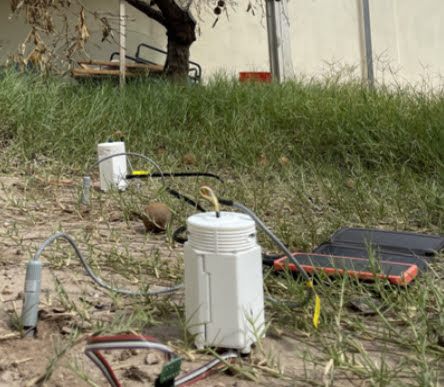
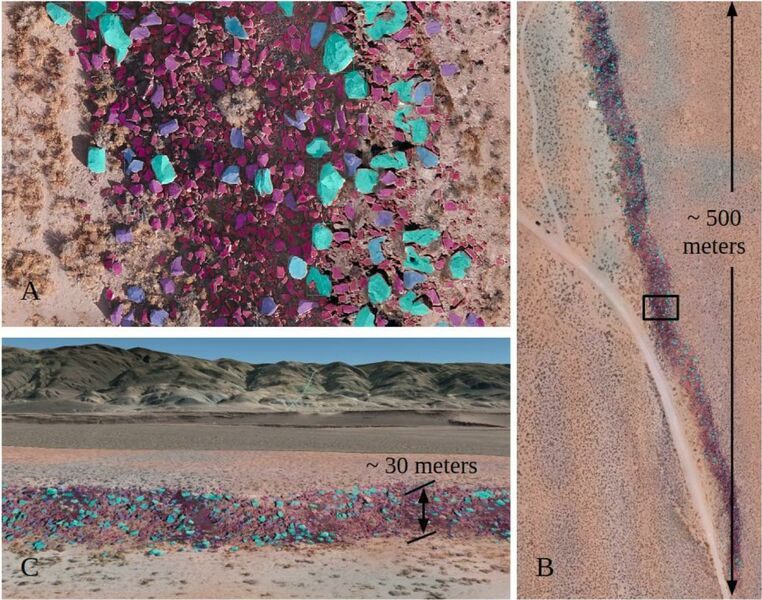
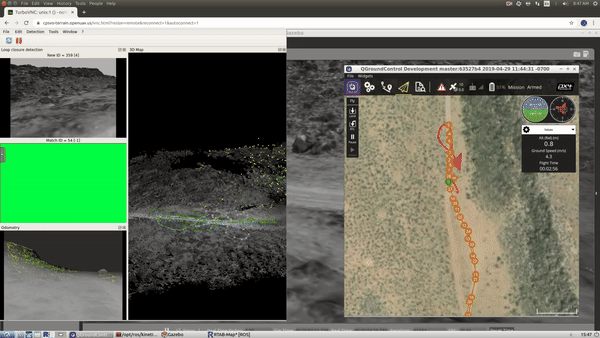
Projects span geomorphology, drylands ecology, and precision agriculture. Systems and algorithms operate as a network of autonomous ground and aerial vehicles, and ground-based static sensors, enabled by cyber-physical twins.
Terrestrial Robotic Observing Network (TRON)
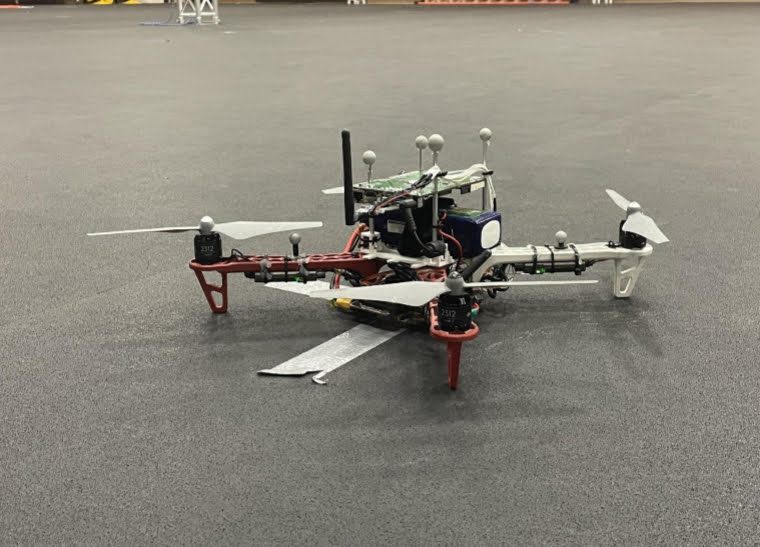
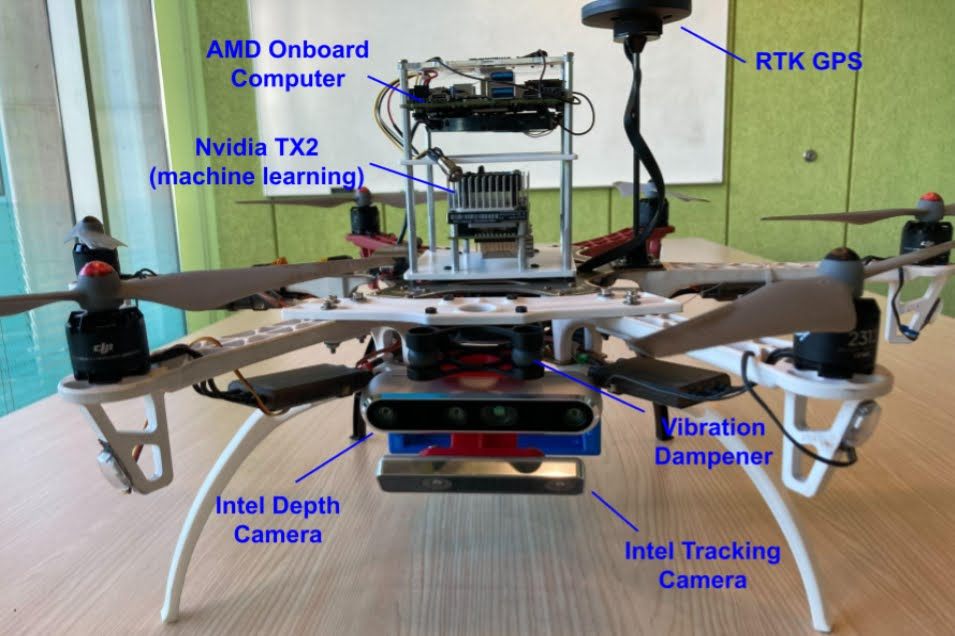
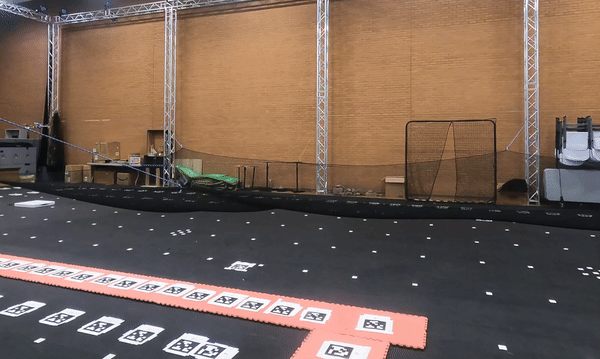
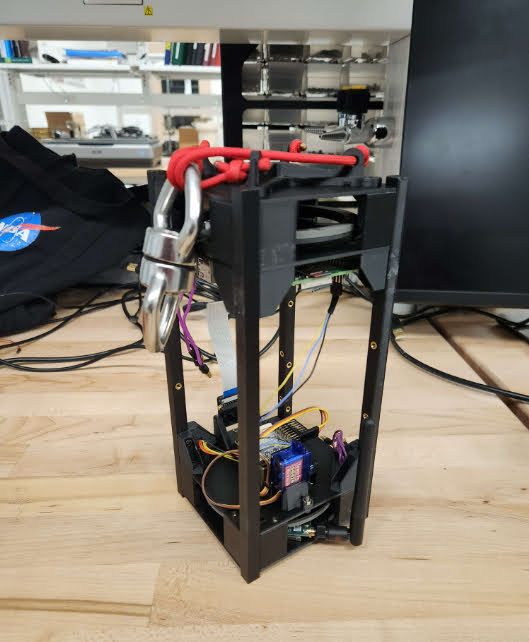
QuAD-FLIP: Quadrotor Aerial Delivery with Flipping for Limited-access Inspection and Probing
Aquatic
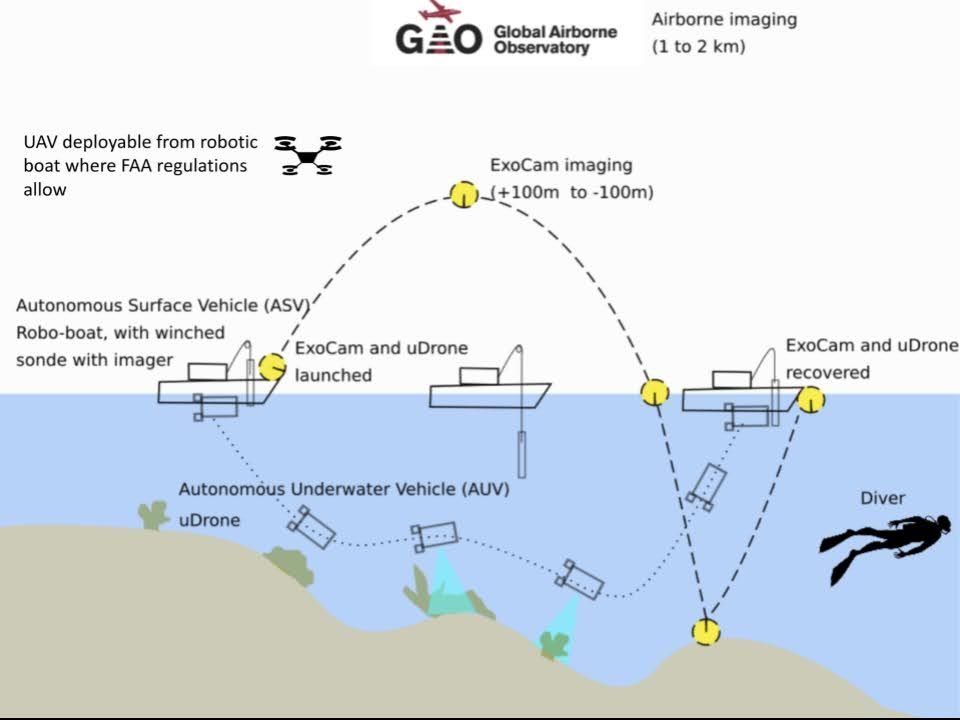
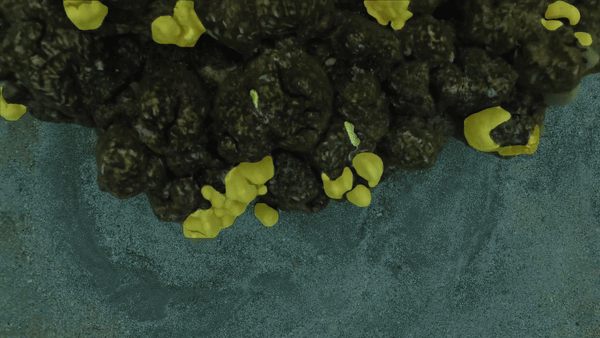
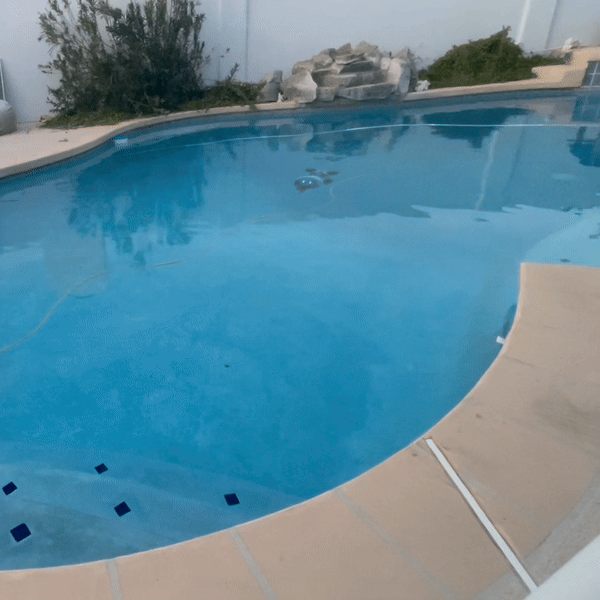
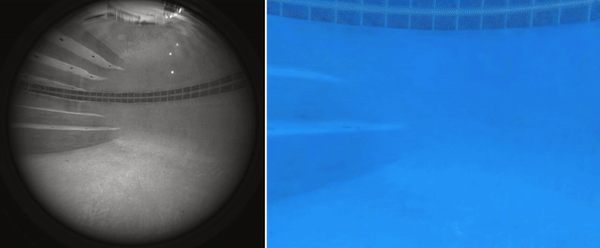
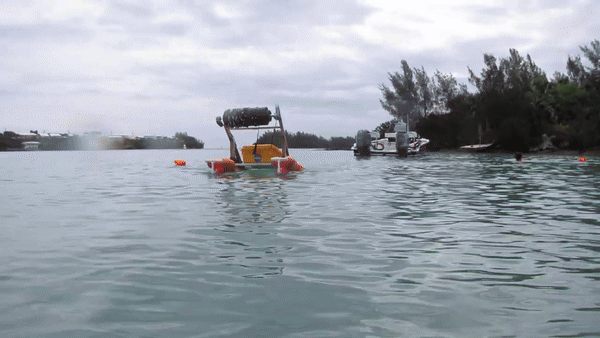
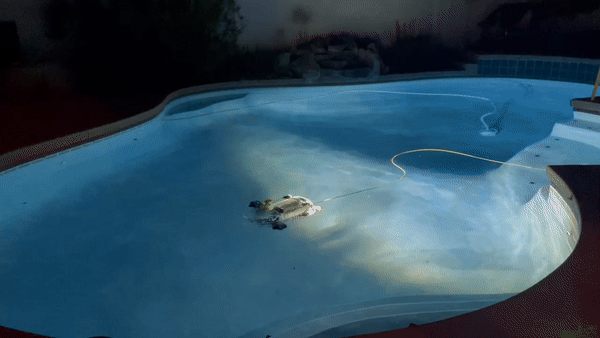
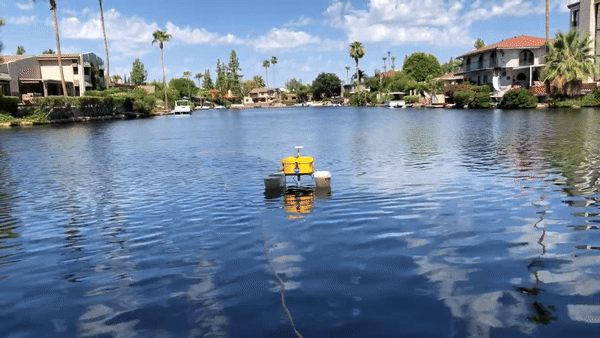
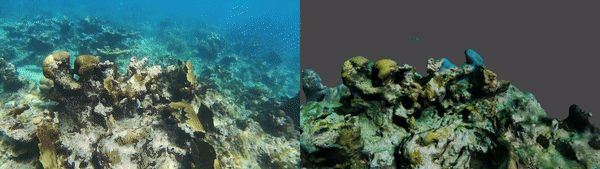
Robotic boats and autonomous underwater vehicles for limnological, littoral, and coastal mapping and sampling of the water column and the benthos.
Collaborative Robotic Aquatic Laboratory (CoRAL)
Cyber-Physical Twins
Digital and physical twins leveraging cyber-physical systems, for simulation studies, dynamical analysis, and predictive modelling of environmental processes.
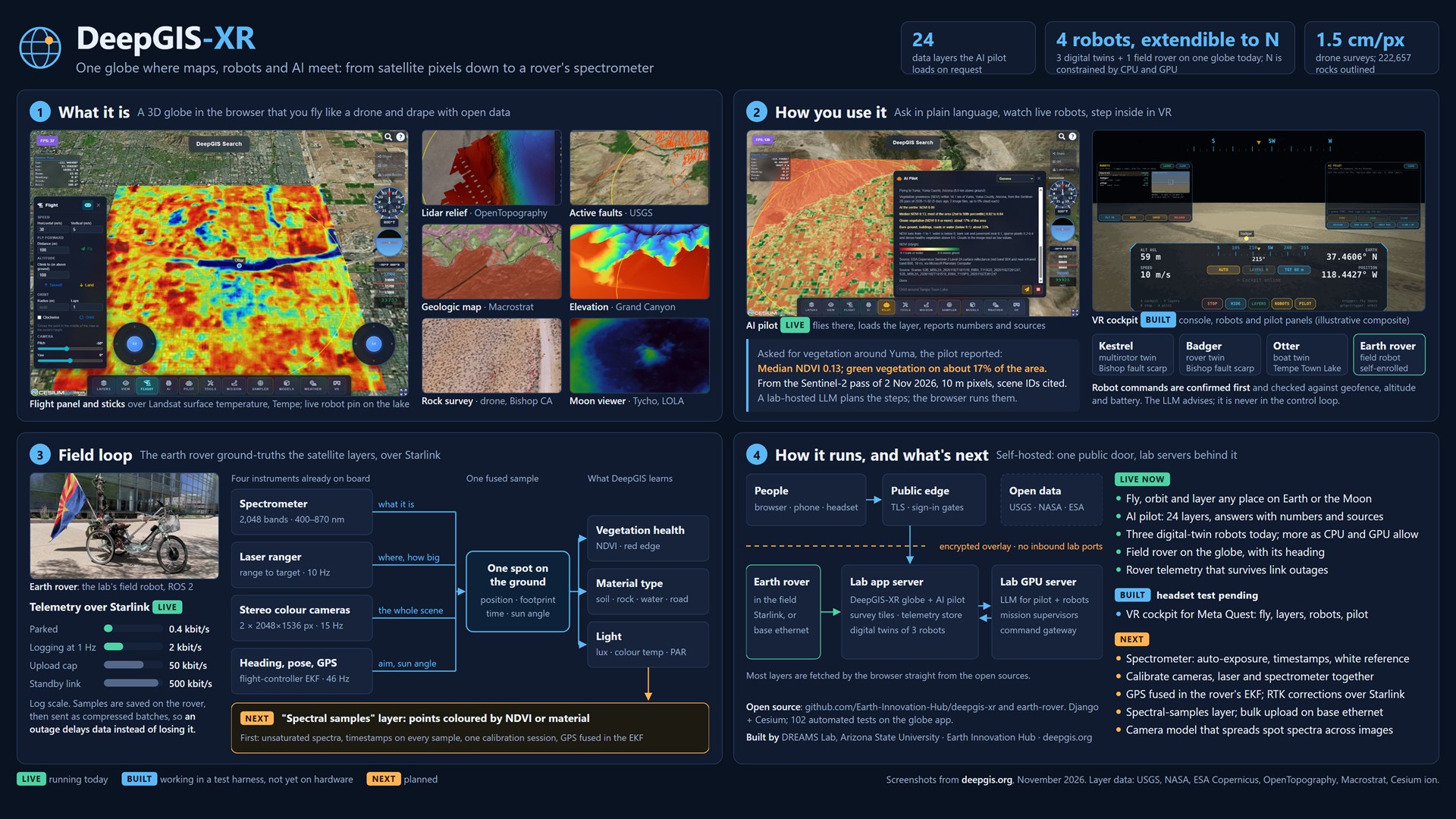
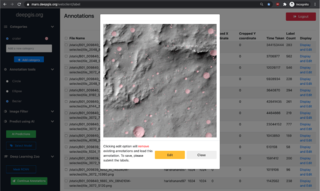
DeepGIS decision support system
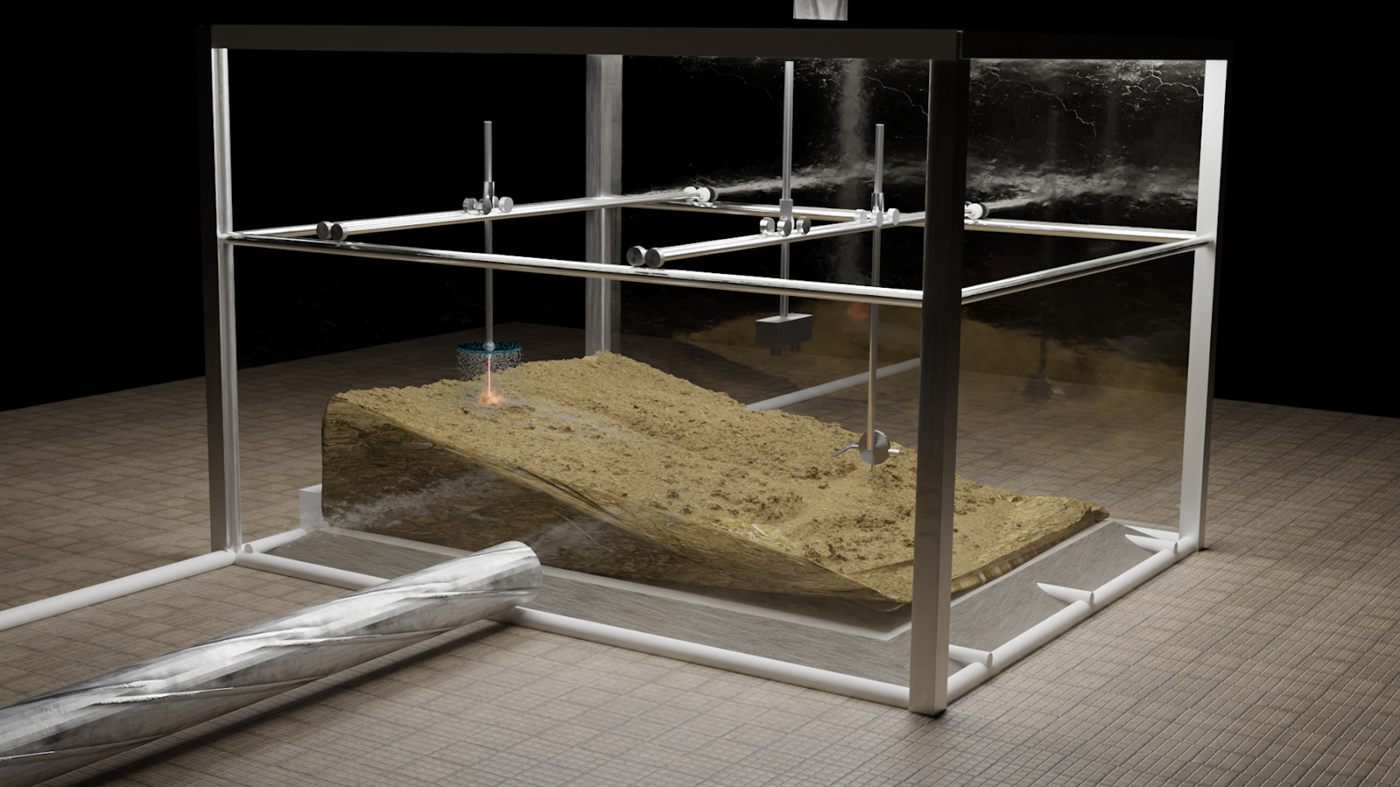
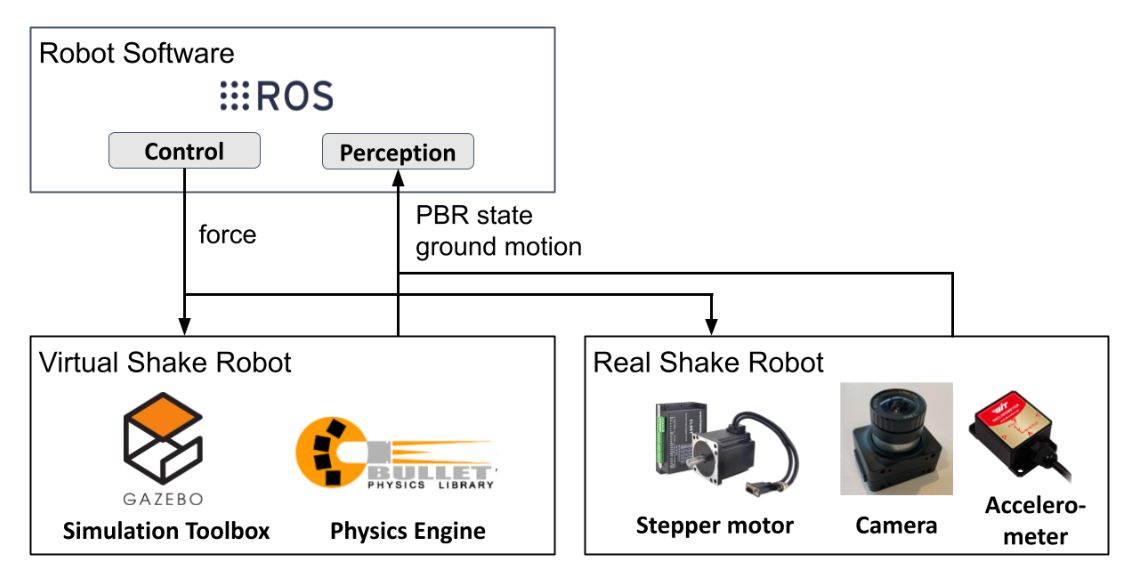
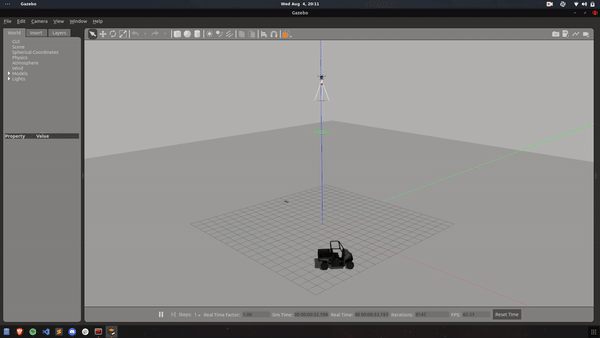
Virtual Shake Robot and ShakeBot
Planetary
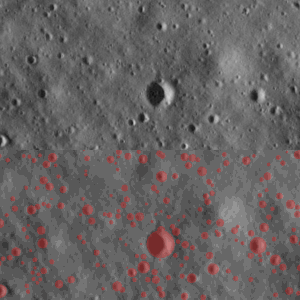
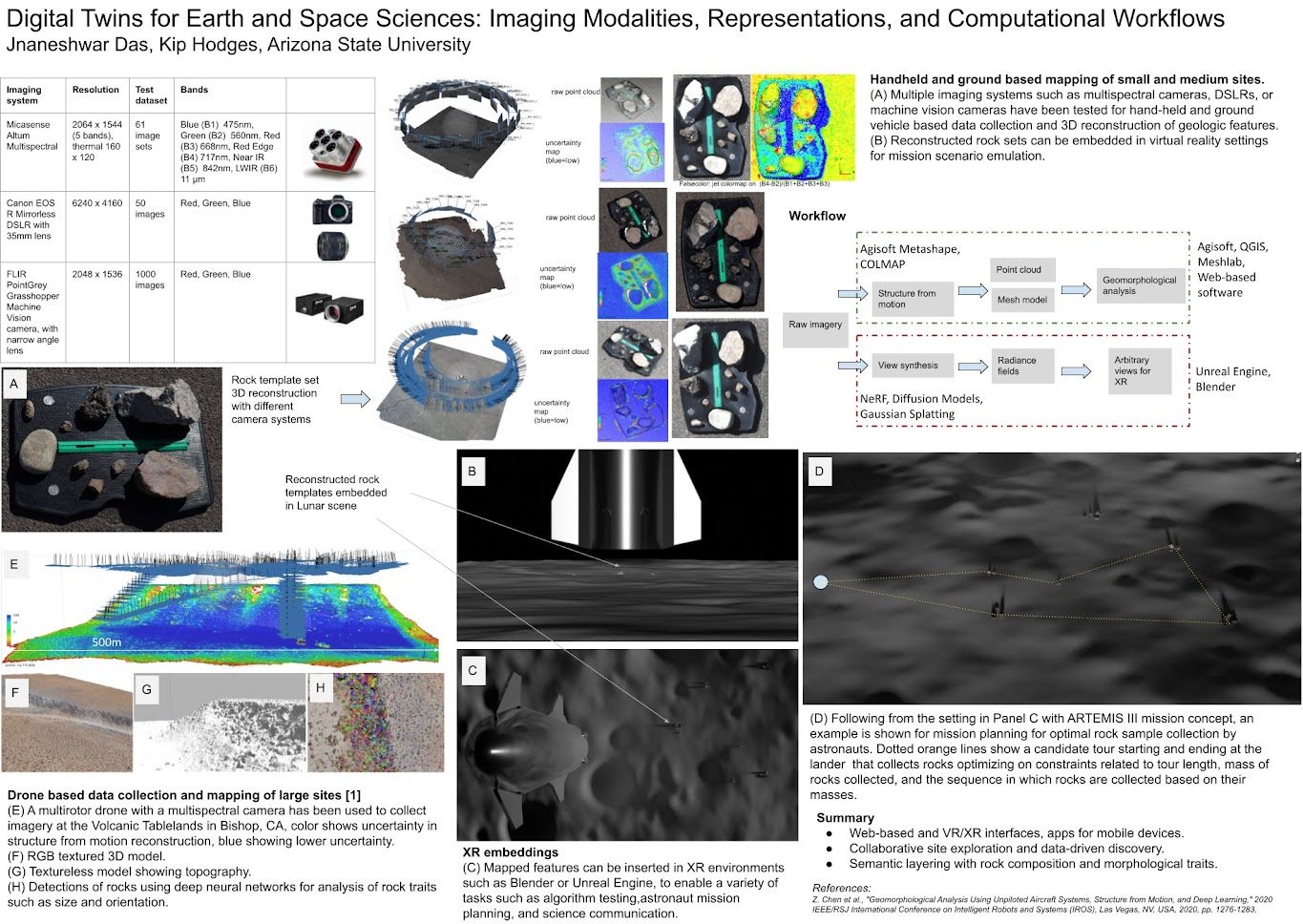
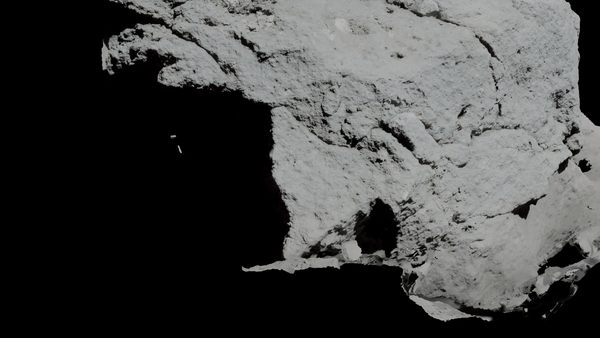
Surface feature mapping, vision systems, and digital twins, with a focus on Mars and the Moon.
Sub-centimeter Resolution Lunar Digital Twin for Collaborative and Immersive Mission Planning (NASA STTR)
Theory
Distinction dynamics is the question beneath the hardware made precise: what an agent can tell apart is not fixed, and every observation changes it. Spectral kernel dynamics treats that capacity — the kernel — as a dynamical variable governed by Maximum Caliber, yielding the most probable paths a perceiving system takes through what it can represent and a lower bound on what that change costs.
Craft and public art
The twin pipeline also runs the other way. In Engineering Mythology, DeepGIS served as a 1:1 template engine for master artisans in Odisha, India, building Navagunjara Reborn, an 18-foot sculpture for Burning Man, produced through Earth Innovation Hub. The artisans work as knowledge-peers rather than fabricators, with craft mastery and engineering treated as interacting knowledge systems. The sculpture's 2026 reincarnation tests the same claim a digital twin makes: that identity can persist through documented re-instantiation.
Open problems
Twin-to-reality transfer
Every twin on this page is useful only if inference made on it transfers to the original — and the case that matters most is the hardest one: novel regimes the twin was never calibrated in. A twin can be precise and still wrong. We treat calibration of twin against world as the lab's central unsolved problem, not a solved preprocessing step.
Precariously balanced rocks are the flagship test. Their fragility is physically measurable, so predictions from the Virtual Shake Robot can be held against ShakeBot on the bench, where overturning is observed directly rather than inferred · calibration, benchmarking, and sensitivity (2026)
Teaching
SES 598: Space Robotics and AI
A comprehensive introduction to robotic exploration and AI-driven mapping and sampling, tailored for space exploration and earth observation. Students work through computer vision, simultaneous localisation and mapping, multi-robot coordination, and operation in extreme environments, moving from theory to real-world implementation with the ground, aerial, and aquatic robots held by the lab both as digital twins and as physical hardware. Students build and close the full loop — perceive, model, decide, act — first on the twin, then in the field. The course closes with a group project in which students design and demonstrate an end-to-end robotic system.
People
-
 Jnaneshwar Das
Faculty
School of Earth and Space Exploration
- Rodney Staggers Jr. Ph.D. student · 2027 Fulton Schools of Engineering
- Jacob Hansman Ph.D. student Radio astronomy · smart sensing School of Earth and Space Exploration
- Bharath Desikan Master's student · 2026 Fulton Schools of Engineering
- Kanav Prashar Master's student · 2026 Fulton Schools of Engineering
-
 Aaryan Anand
Undergraduate · 2029
Fulton Schools of Engineering · Aerospace
- Elizabeth Seaton Undergraduate · 2029 Fulton Schools of Engineering · Aerospace
- Logan Christian Undergraduate · 2029 Fulton Schools of Engineering · Aerospace
- Mingming Cao High-school intern · 2027 BASIS Schools
- Aashneel Chowdhury High-school intern · 2027 BASIS Schools
- Carlos Torre Research volunteer Earth and Space Exploration · Fulton
Alumni
- Antonio AcunaMaster's student · Fulton Schools of Engineering
- Harish AnandMaster's student · Fulton Schools of Engineering
- Prasad AntervediMaster's student · Fulton Schools of Engineering
- Luiza AparecidoPostdoctoral researcher · now faculty, University of Utah
- Zion BasqueUndergraduate · Fulton Schools of Engineering
- Sarah BearmanPh.D. student · School of Earth and Space Exploration
- Cole BrauerPh.D. student · Fulton Schools of Engineering
- Zhiang ChenPh.D. student · 2022 · then postdoctoral researcher · School of Earth and Space Exploration
- Pranav ChouguleMaster's student · Fulton Schools of Engineering
- Alex GoldmanMaster's student · Fulton Schools of Engineering
- Jack HaehlLead XR developer · School of Earth and Space Exploration
- Saransh JainMaster's student · Fulton Schools of Engineering
- Devin KeatingMaster's student · School of Earth and Space Exploration
- Yi-Hau LaiMaster's student · Fulton Schools of Engineering
- Tracey LottResearch staff · School of Earth and Space Exploration
- Akshay MahalleMaster's student · School of Earth and Space Exploration
- Pavan MajjigaMaster's student · School of Earth and Space Exploration
- Abdullah MasudMaster's student · Fulton Schools of Engineering
- Darwin MickUndergraduate · School of Earth and Space Exploration
- Edauri Navarro-PerezPh.D. student · School of Earth and Space Exploration
- Ashwin PoruthukaranMaster's student · Fulton Schools of Engineering
- Deep RodgeMaster's student · Fulton Schools of Engineering
- Aravind SaravanakumaranMaster's student · Fulton Schools of Engineering
- Andrea SchoonoverUndergraduate researcher · Fulton Schools of Engineering
- Bhavya ShahMaster's student · Fulton Schools of Engineering
- Yash ShethwalaMaster's student · Fulton Schools of Engineering
- Kshitij SrivastavaMaster's student · Fulton Schools of Engineering
- Rakshith VishwanathaMaster's student · Fulton Schools of Engineering
- Adithya YerramsettyUndergraduate · Fulton Schools of Engineering
Assets
-
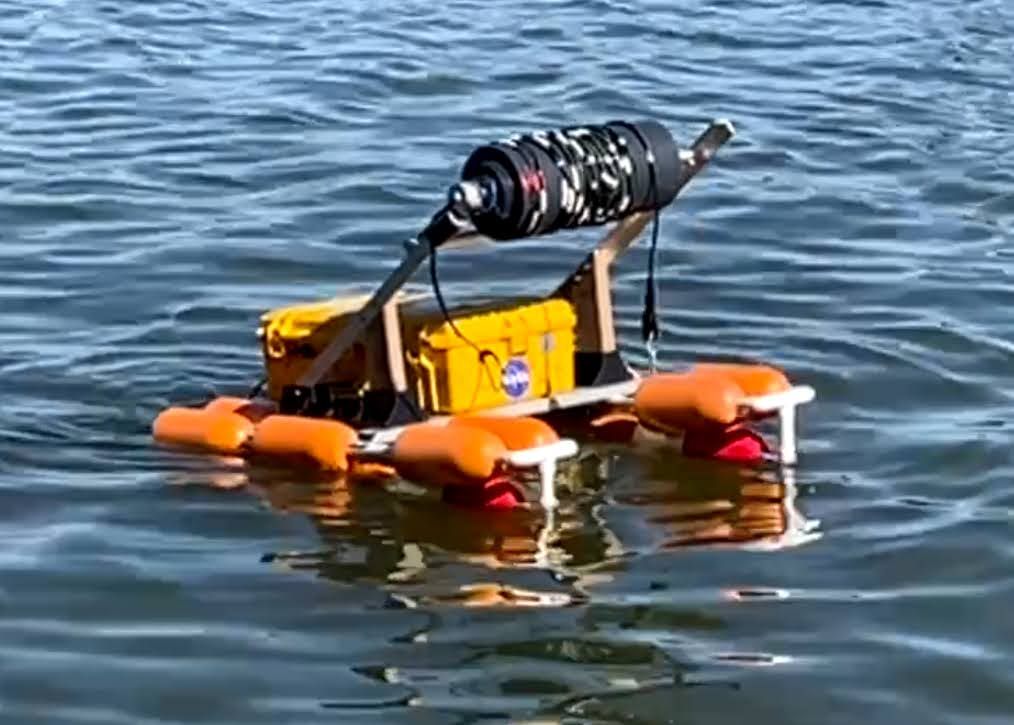
R/V Karin Valentine
An autonomous surface vehicle capable of water column sampling, bathymetric mapping, and physical sample return from lakes and marinas.
-
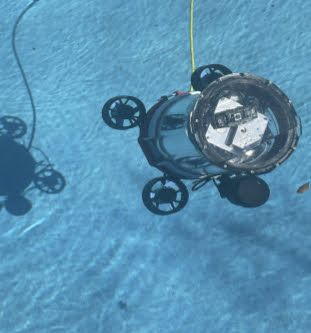
uDrone autonomous underwater vehicle
A quadrotor-format agile AUV designed to operate solo or in tandem with R/V Karin Valentine acting as base ship for heterogeneous operations. Built for persistent coral reef monitoring and geological bathymetric mapping.
-
Rocky II hexrotor drone
A hexrotor for searching and mapping fragile geologic features such as precariously balanced rocks, also used for multi-spectral imaging of rocky fault scarps.
-
EarthPod sensor probe
A weather and soil parameter probe for time-series study, designed to operate alone or as a network. Networked EarthPods support optimal interpolation of scalar fields such as temperature.
-
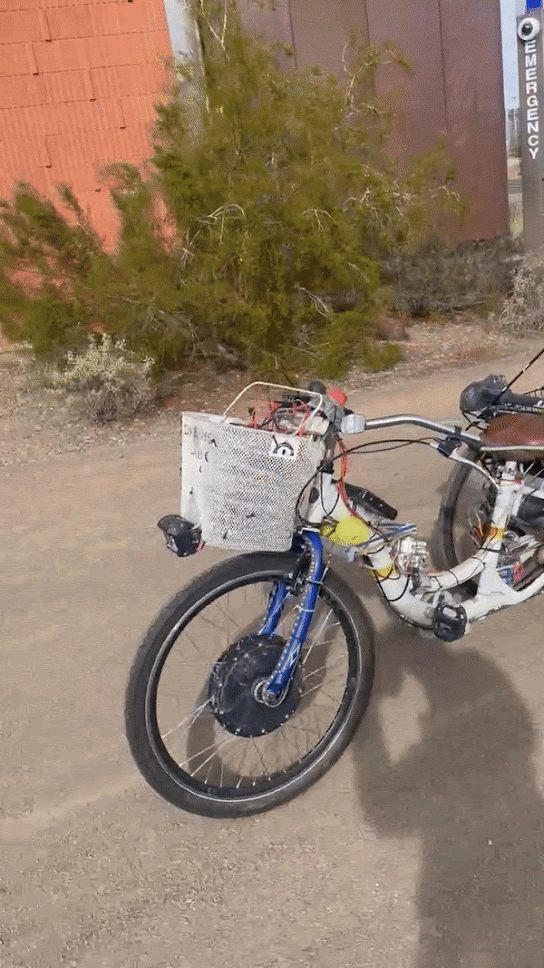
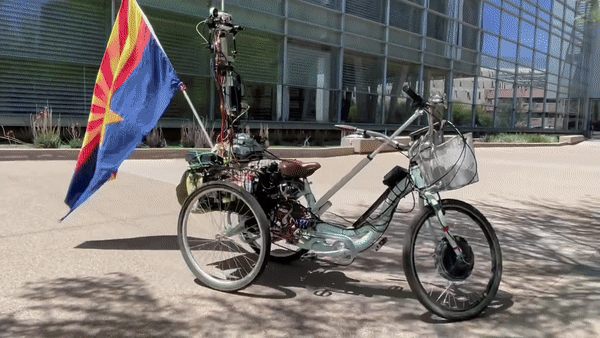
EarthRover
A 26-inch Schwinn adult tricycle frame augmented with a front electric motor, steering system, rear aerodynamic solar panel assembly, and a mast for avionics, sensing, and compute. Large wheels and low weight (65 kg) give stability and up to 50 km a day on solar, with GPS-enabled vision-based autonomous navigation on paved or unpaved paths. It can repeat paths learned from a human rider or follow specified or optimised mission plans.
-
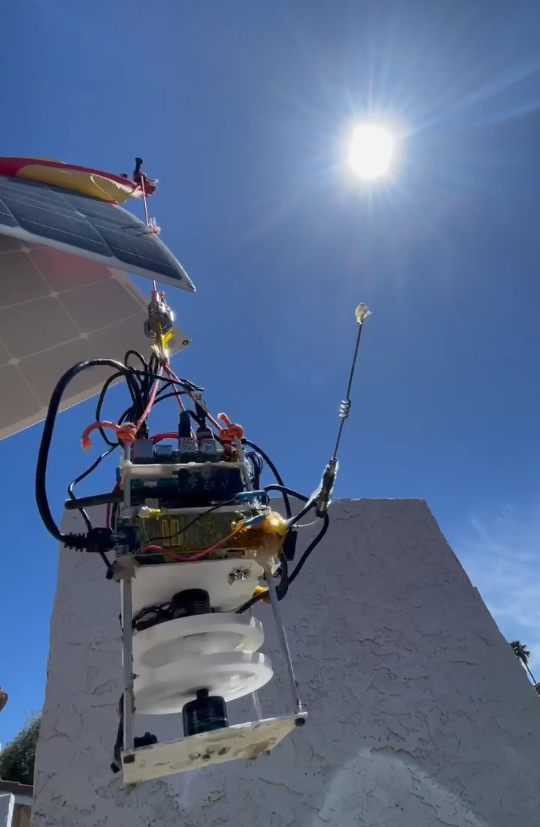
High-altitude balloon payload
A lightweight, low-SWaP (under 1.5 kg) payload for aerobiological sampling, combining current drone flight control technology with custom environmental sensing hardware. A ground-tested prototype has been built.
-
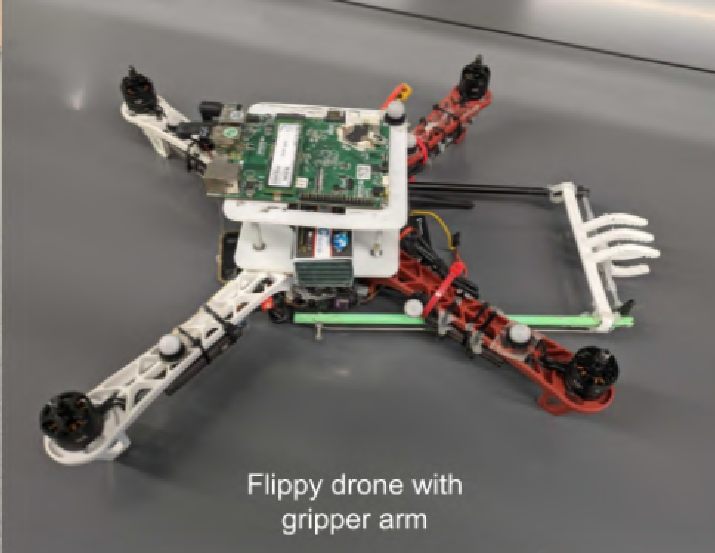
Flippy quadrotor drone
A lightweight, agile 45 cm quadrotor with an onboard gripper and ARM compute, capable of acrobatic manoeuvres.
Publications
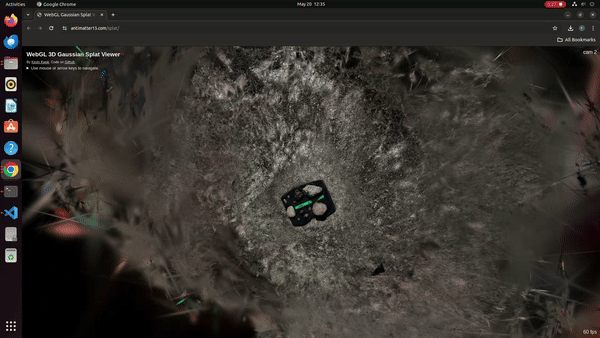
- 2026Depth-Variance Guided Next-Best-View Planning for Active 3D Gaussian Splatting Reconstruction
- 2026Active Gaussian Splatting for Autonomous Reconstruction Using D-Optimal Next Best View Planning
- 2026Fragility Modeling of Precariously Balanced Rocks: Calibration, Benchmarking, and Sensitivity
- 2026Spectral Kernel Dynamics for Planetary Surface Graphs: Distinction Dynamics and Topological Conservation
- 2026Spectral Kernel Dynamics via Maximum Caliber: Fixed Points, Geodesics, and Phase Transitions
- 2026Engineering Mythology: A Digital-Physical Framework for Culturally-Inspired Public Art
- 2024Payload Delivery through Acrobatic Quadrotor Flip-and-Throw Maneuver Using Model Predictive Control
- 2024Shakebot: A Low-cost, Open-source Robotic Shake Table for Earthquake Research and Education
- 2024Virtual Shake Robot: Simulating Dynamics of Precariously Balanced Rocks for Overturning and Large-displacement Processes
- 2023A Survey of Decision-Theoretic Approaches for Robotic Environmental Monitoring
- 2023Quantifying and analysing rock trait distributions of rocky fault scarps using deep learning
- 2021Terrain-Relative Diver Following with Autonomous Underwater Vehicle for Coral Reef Mapping
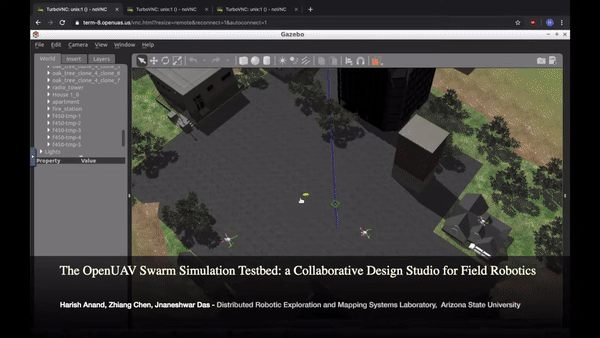
- 2021OpenUAV Cloud Testbed: a Collaborative Design Studio for Field Robotics
- 2020Geomorphological Analysis Using Unpiloted Aircraft Systems, Structure from Motion, and Deep Learning
- 2018Robust Fruit Counting: Combining Deep Learning, Tracking, and Structure from Motion
- 2017Counting Apples and Oranges With Deep Learning: A Data-Driven Approach
- 2015Data-driven robotic sampling for marine ecosystem monitoring
- 2015Devices, systems, and methods for automated monitoring enabling precision agriculture
- 2012Coordinated sampling of dynamic oceanographic features with underwater vehicles and drifters